
Part three – response to the criticism on my piece about organic farming, here: Natural Assumptions. I will continue with what may in fact be the biggest problem I see with the organic paradigm in practice: yield. We only have limited land for farming. The solutions aren’t easy. Continue reading


- Follow Thoughtscapism on WordPress.com
-
Join 1,418 other subscribers
Landscapes of thought
agriculture alternative medicine biology biotechnology chemistry climate consensus energy environment epistemology existentialism finance health history linguistics literature medicine meta methods nuclear nutrition organic parenting psychology renewables science science communication society Uncategorized vaccinesTop Posts & Pages
- Nuclear Waste: Ideas vs Reality
- Measures of Toxicity
- 'Treatment-free' Beekeepers Give Varroa Mite Free Rein
- Nuclear Energy Is the Fastest and Lowest-Cost Clean Energy Solution
- 17 Questions About Glyphosate
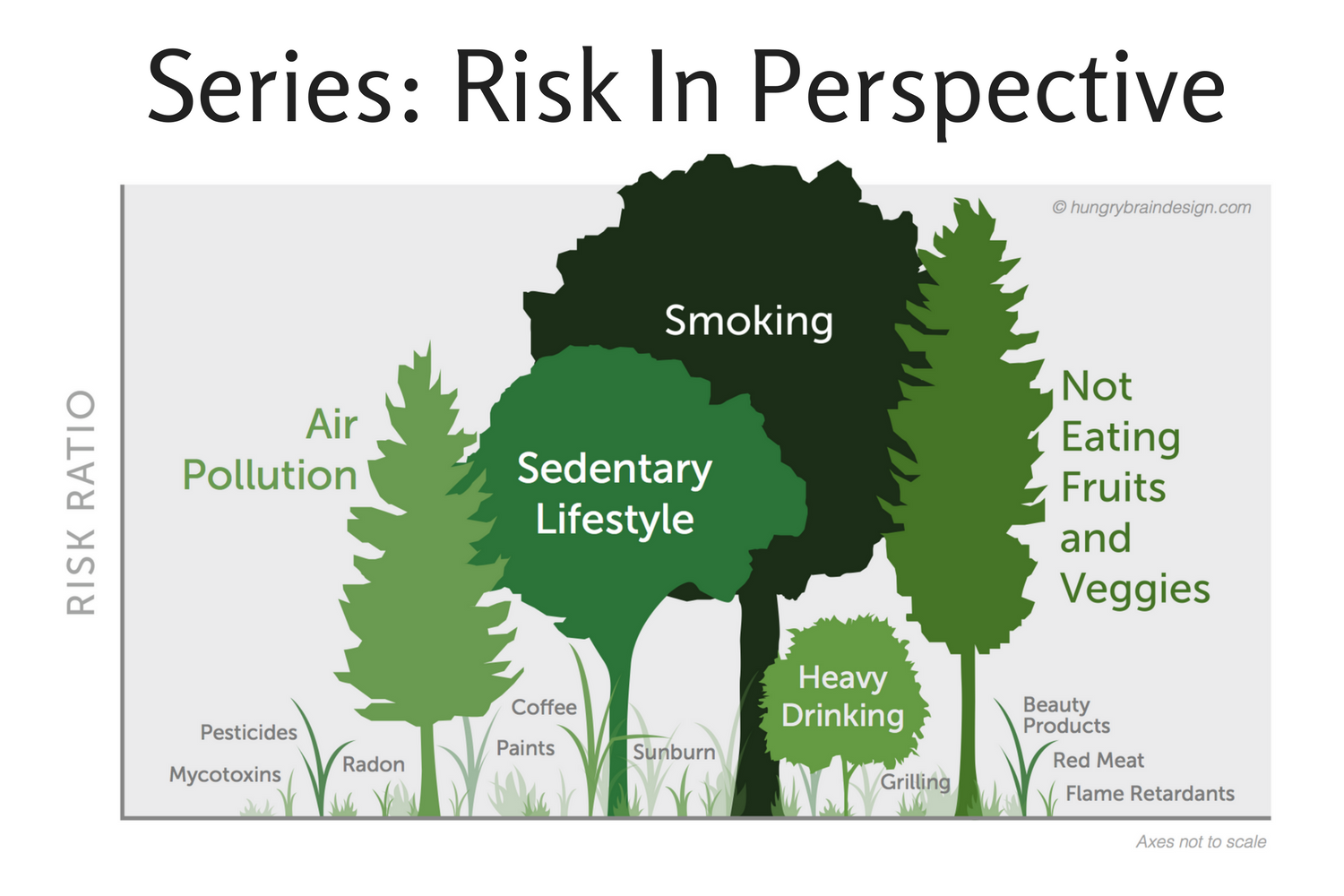
- Risk In Perspective
- GMOs and the Environment
- New Study Finds Neonicotinoids May Have Harmful, Beneficial, or No Effects on Bees
- Monocultures - the Great Evil of Modern Ag?
- Risk In Perspective: Zero Risk Is an Impossible Dream
Tags
- AAP
- adjuvants
- air pollution
- allergy
- aluminum
- animal welfare
- asthma
- autism
- backfire
- backfire effect
- bees
- bias
- biodiversity
- biodynamic
- cancer
- Chernobyl
- cherry-picking
- children
- CO2
- confirmation bias
- consensus
- conspiracy
- COP23
- Daniel Dennett
- debates
- documentaries
- empathy
- existential anguish
- FAO
- Feynman
- Finnish
- formaldehyde
- Fukushima
- GMO
- greenhouse effect
- herd immunity
- homeopathy
- influenza
- IPCC
- Maslow
- Mercola
- mercury
- MMR
- monoculture
- Monsanto
- Nasa
- nature
- neonicotinoids
- organic
- pesticides
- philosopy
- precautionary principle
- pregnancy
- PubMed
- radiation
- risk
- smallpox
- Socratic method
- sun
- supplements
- Sweden
- Switzerland
- The Woolf
- thimerosal
- thinking
- time
- translation
- UN
- UNCTAD
- USDA
- vaccines
- vitamins
- Wakefield
- WHO
- wilderness
Archives
- October 2022
- November 2021
- October 2021
- April 2021
- March 2021
- February 2021
- December 2019
- November 2019
- October 2019
- June 2019
- May 2019
- April 2019
- December 2018
- September 2018
- August 2018
- July 2018
- June 2018
- May 2018
- April 2018
- March 2018
- February 2018
- January 2018
- December 2017
- November 2017
- October 2017
- September 2017
- July 2017
- June 2017
- April 2017
- March 2017
- February 2017
- November 2016
- October 2016
- September 2016
- August 2016
- July 2016
- May 2016
- April 2016
- March 2016
- October 2015
- September 2015
- July 2015
- June 2015
- May 2015
- April 2015
- March 2015
- February 2015
 Thoughtscapism