Considering recently published scientific reviews on the International Agency on Cancer Research (IARC) concerning their methods and overall mission, as well as their specific conclusion on glyphosate, I thought the topic deserved an update of its own. I have written about glyphosate, cancer, and the IARC earlier, in my series 17 Questions on Glyphosate.
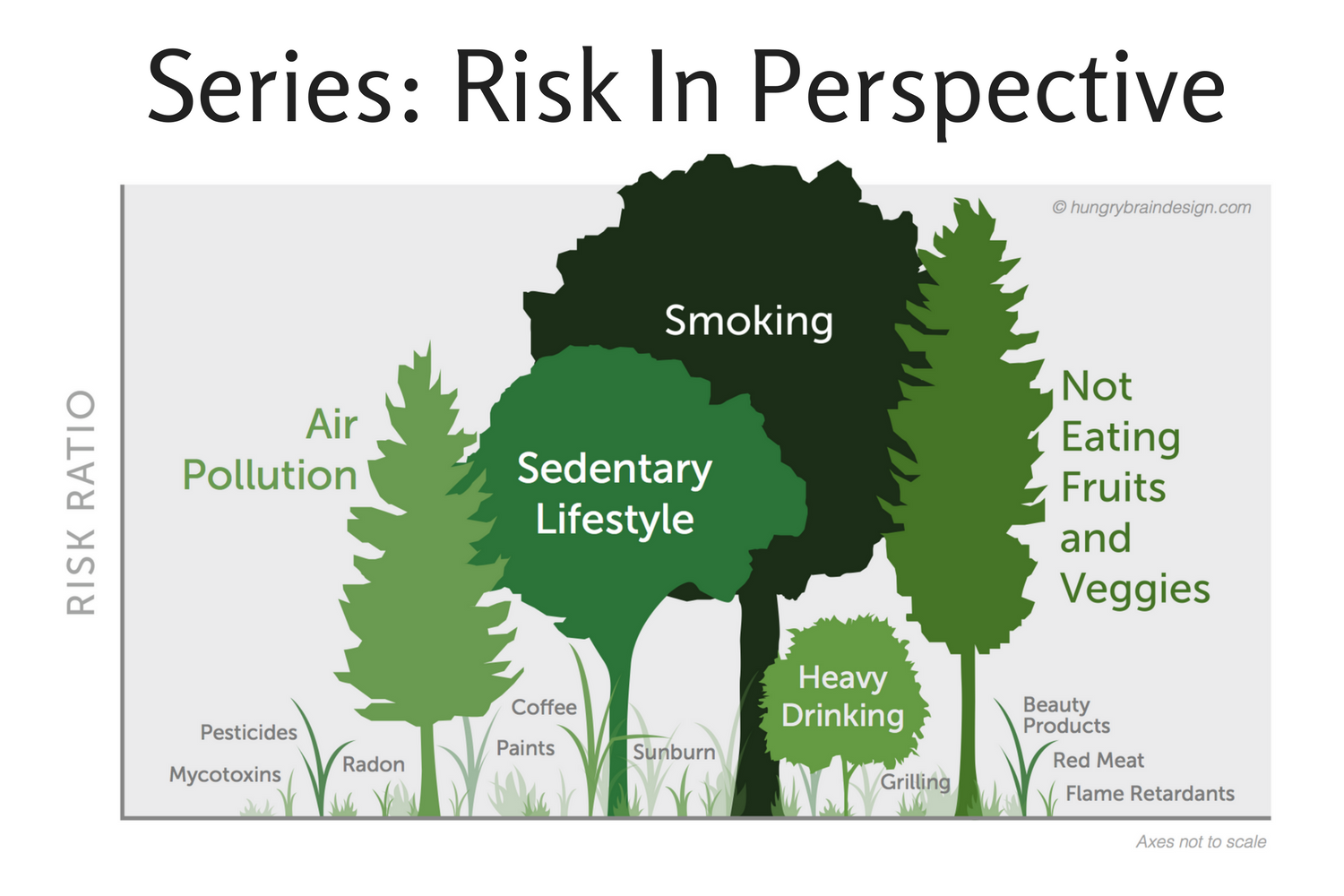
Much media and public attention has followed after World Health Organisation subgroup IARC has declared things like processed meat to be in the same class of cancer hazard as plutonium and tobacco, and red meat and glyphosate in the class 2A, “probably carcinogenic,” same slot where also fall “work as a hairdresser” or “manufacturing glass”. Apart from many sensationalist headlines, there has also been a fair amount of media criticism, like this in-depth piece from Reuters. What is confusing to many, is that IARC does not actually look at risk: how big is the risk for said carcinogenic effects? What levels are safe and what aren’t?
Many expert toxicologists have weighed in on the lack of scientific justification for the simplistic division of substances (and a wide array of other circumstances, such as occupations) into non-carcinogenic and carcinogenic, without consideration for drastically different levels of potency and modes of action. On top of that, there are also several concerning aspects about how the IARC handled the specifics around the review of several cases, such as meat, or cellphone radiation, as brought up in the Reuters piece, and particularly concerning glyphosate: they excluded much available evidence from the review, and misinterpreted results of some of the studies they did include.
 Continue reading →

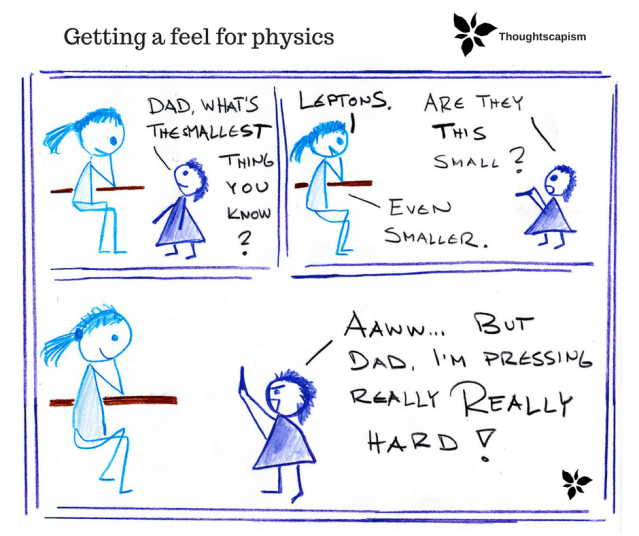 I sympathise. How can anything be smaller than a really tight squeeze? Unfathomable. It’s interesting how our perception, which is quite useful for observing phenomena happening at our scale, gets bent over backward and whirled around when we try to apply it to either things that very very big or small (or
 When Eerika Häkkinen was young, she used to carry a “Nuclear, No Thanks” -badge with her wherever she went. Later she began to study chemistry at the University of Helsinki, and thought that majoring in radiochemistry would be a great way to come up with more informed arguments against the technology – but by the time she finished her studies, her outlook on nuclear power, and radioactivity in general, had quite changed.
 Thoughtscapism